USE CODE {BRIGHTONSC20} At the Figure Skating Boutique for a discount on your equipment purchase for the upcoming season!
Welcome to CanSkate!
Ready to build your skating skills and confidence on the ice? CanSkate is where the fundamentals really begin!
CanSkate is Skate Canada’s nationally recognized learn-to-skate program. It teaches the fundamental skating skills needed for recreational skating and provides a strong foundation for figure skating, hockey, ringette and speed skating.
Skaters learn in a fun, active group environment led by qualified coaches and supported by trained Program Assistants. Lessons are designed to keep skaters moving, learning and building confidence on the ice.
CanSkate allows skaters to progress at their own pace while developing the skills they need to become stronger, more confident skaters.
What Will My Skater Learn?
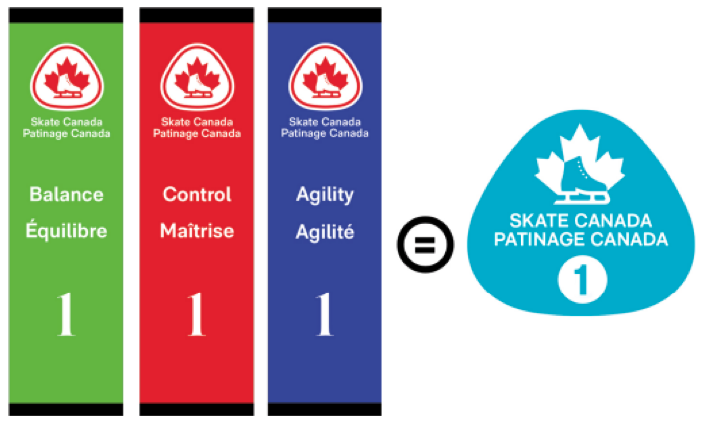
CanSkate is built around three fundamental areas of skating: Agility, Balance and Control — the ABCs of skating.
Agility
Agility helps skaters learn how to move and change direction on the ice. Skills include turns, jumps and other movements that develop coordination and confidence.
Balance
Balance develops a skater’s stability and comfort on the ice, with a strong focus on forward skating, edges and body control.
Control
Control teaches skaters how to manage their movement and speed safely and confidently. Skills include stopping, backward skating and increasingly challenging movements as skaters progress.
Together, these three areas create a strong skating foundation that can be used in any ice sport — or simply for a lifetime of enjoying the rink. As skaters progress, familiar skills are introduced again at increasingly challenging levels. This allows skaters to build on what they already know while gradually developing greater speed, accuracy, balance and confidence.
How CanSkate Progression Works
CanSkate is divided into six progressive stages, allowing each skater to develop at their own pace.
Skaters work on skills from the three fundamental areas — Agility, Balance and Control — throughout the program. Rather than everyone progressing at exactly the same speed, skaters move forward as individual skills are learned and demonstrated.
The early stages focus on developing confidence and fundamental skating movements. As skaters progress, skills become increasingly challenging and begin to provide the foundation needed for more advanced recreational skating and ice sports.
Celebrating Progress
Learning to skate takes practice, and we think progress is worth celebrating!
CanSkate uses awards to recognize the skills skaters achieve as they work through the program. These milestones give skaters something to work toward while helping families see how their skater is progressing.
Some skills may come quickly while others take a little more practice — and that’s completely normal. Every skater develops at their own pace.
What Does a Typical CanSkate Lesson Look Like?
CanSkate isn’t designed around standing in a line waiting for a turn — our goal is to keep skaters moving!
During a typical session, skaters move through circuits and activity stations where they practise different skills with their coaches and Program Assistants. Teaching aids, music, games and challenges help make repetition fun while giving skaters lots of opportunities to practise.
Move
Circuits and Fast Track activities give skaters plenty of ice time and help develop speed, confidence and endurance.
Learn
Skill stations focus on Agility, Balance and Control, with activities adapted to the level of the skaters working at each station.
Have Fun
Games, music, colourful teaching aids and challenges keep lessons engaging while allowing skaters to practise the skills they are learning.
What happens in the 50 minutes?
First 10 Minutes is Warm Up with Auditory Cues lead by our Fantastic Program Assistants!
The Next 30 Minutes Skaters will rotate through our 3 stations (Balance, Control & Agility) - they will spend 10 minutes at each station
Last 10 Minutes we will do a Group Activity ("Highway Lanes") and a Cool Down where we stretch and prepare for the practice end!
Every lesson may look a little different, but the goal remains the same: lots of movement, lots of learning and lots of fun.
Equipment
You don’t need a long list of specialized equipment to get started with CanSkate, but having the right gear makes a big difference in keeping skaters safe, warm and comfortable.
Skates
Figure skates or hockey skates may be worn. Skates should fit properly, provide good ankle support and be in good condition. Properly sharpened blades will also make learning much easier.
Helmet
CanSkate participants who are required to wear a helmet must wear a CSA-approved hockey helmet. Bicycle, ski and snowboard helmets are not appropriate substitutes.
Dress for the Rink
Dress your skater in warm, comfortable layers that allow them to move freely. Mittens or gloves are important for keeping little hands warm and protected.
Bulky snowsuits can sometimes make movement more difficult, so flexible layers are a great choice whenever possible.
Your First Day at CanSkate
The first trip back to the rink can feel a little hectic, arriving a little early will give you plenty of time to get settled before the session begins.
1. Find Your Dressing Room
Check which dressing room has been assigned to your CanSkate group and get your skater ready for the ice.
2. Pick Up Your Skater’s Name Tag
Each skater will have a name tag to help our coaches and Program Assistants identify them on the ice. Please attach it securely to the outside of your skater’s clothing where it can easily be seen.
3. Get Ready to Skate
Before heading to the ice, make sure skates are securely tied, helmets are properly fitted and mittens or gloves are on.
Then it’s time to have some fun!
4. Leave the Name Tag With Us
Name tags stay at the rink, so there’s no need to remember them from week to week. They will be collected before the end of the session and ready for your skater the next time they come to CanSkate.
Parents & Guardians
We love having families at the rink cheering on our skaters!
A parent or guardian must remain at the arena for the duration of the CanSkate session. If your skater needs to leave the ice for any reason, a parent or guardian must be available to meet them at the ice entrance.
While coaches and Program Assistants are responsible for skaters during their lesson, having you nearby means we can quickly reunite you with your child if they need assistance off the ice.
Keeping Everyone Safe
A safe rink means everyone gets to focus on learning and having fun. We ask all CanSkate families to help us by following a few simple rules.
- Everyone entering the ice must be wearing skates.
- Required CSA-approved hockey helmets must be worn while on the ice.
- Skaters must be properly registered before participating.
- Please follow the directions of coaches and Program Assistants.
- Food, drinks and gum are not permitted on the ice.
- Games and activities are led by our coaching team — please don’t start games such as tag unless instructed to do so.
- Horseplay or behaviour that puts the skater or others at risk is not permitted. A skater may be asked to leave the ice if unsafe behaviour continues.
These guidelines help us create an environment where every skater can learn, build confidence and enjoy their time on the ice.
Ready to Get Skating?
Learning to skate is about so much more than earning badges. It’s about gaining confidence, discovering new skills, making friends and learning to enjoy being on the ice.
Whether CanSkate is the beginning of a future in figure skating, hockey, ringette or speed skating — or simply the start of a lifelong love of skating — we’re excited to be part of those first steps.
We can’t wait to see you at the rink!
Bottom Content Title
This is an additional section to be able to add content